Our story
Before recipes were written down they were carried — in memory, in method, and in the way a hand knows when the spices have given up their oil.
In the fertile countryside of India, the fire cackles as the wood is stoked. The ritual is carefully repeated.
When the sarson ka tel lets off a dull steam, a handful of fresh spices is dotingly added to it. The air fills with an aroma that sings the notes of the earth and its people.
Nobody wrote any of it down. There was no need. The measure was a pinch, the timing was a smell, and the recipe was whoever happened to be standing at the stove.
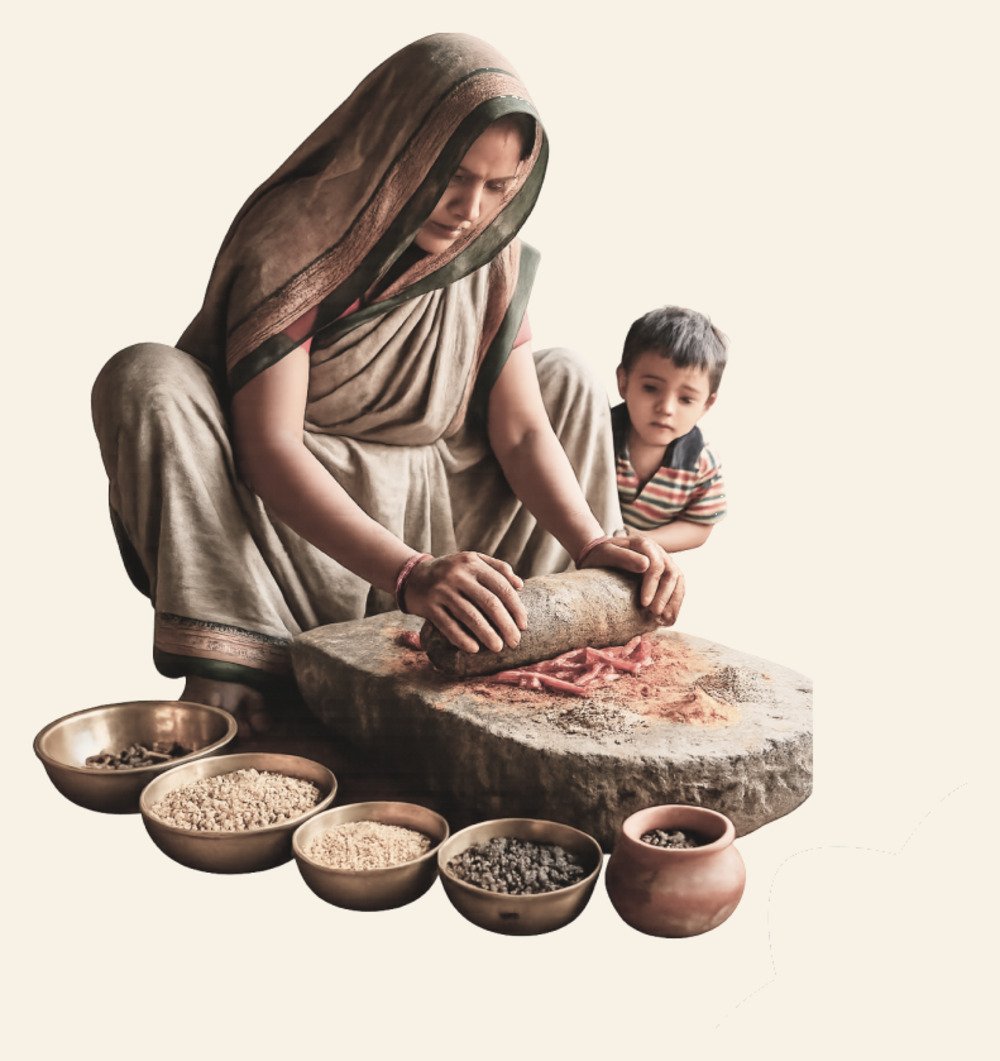
A timeless combination of five spices, the elements that give birth to flavour. A spice is not just taste. It is a memory held in oil, waiting to be released by measured heat.
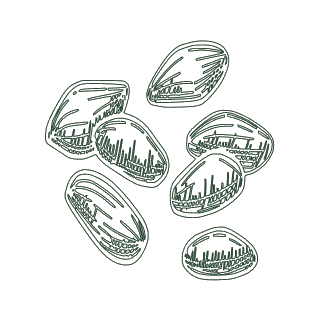
Remembers the damp monsoons of the Western Ghats.
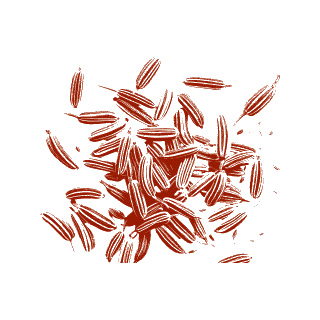
Carries the warmth of dry Kathiawadi fields.
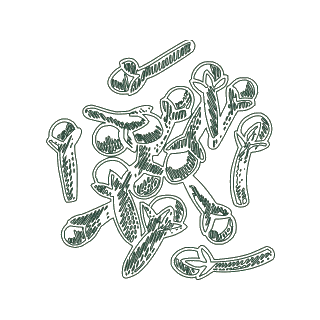
Holds the rhythm of a port town waking before dawn.
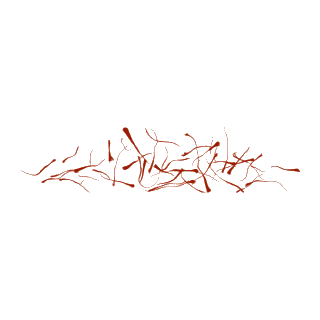
Breathes the quiet air of Kashmiri valleys.
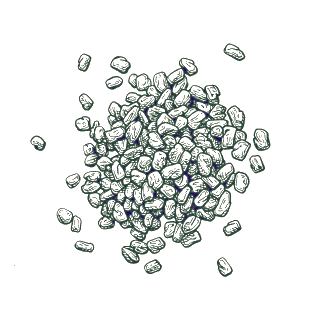
Lingers with a gentle bitterness, grounding every blend.
Each pinch in a pan is an act of remembering — a quiet conversation between a hand today and those who came before.
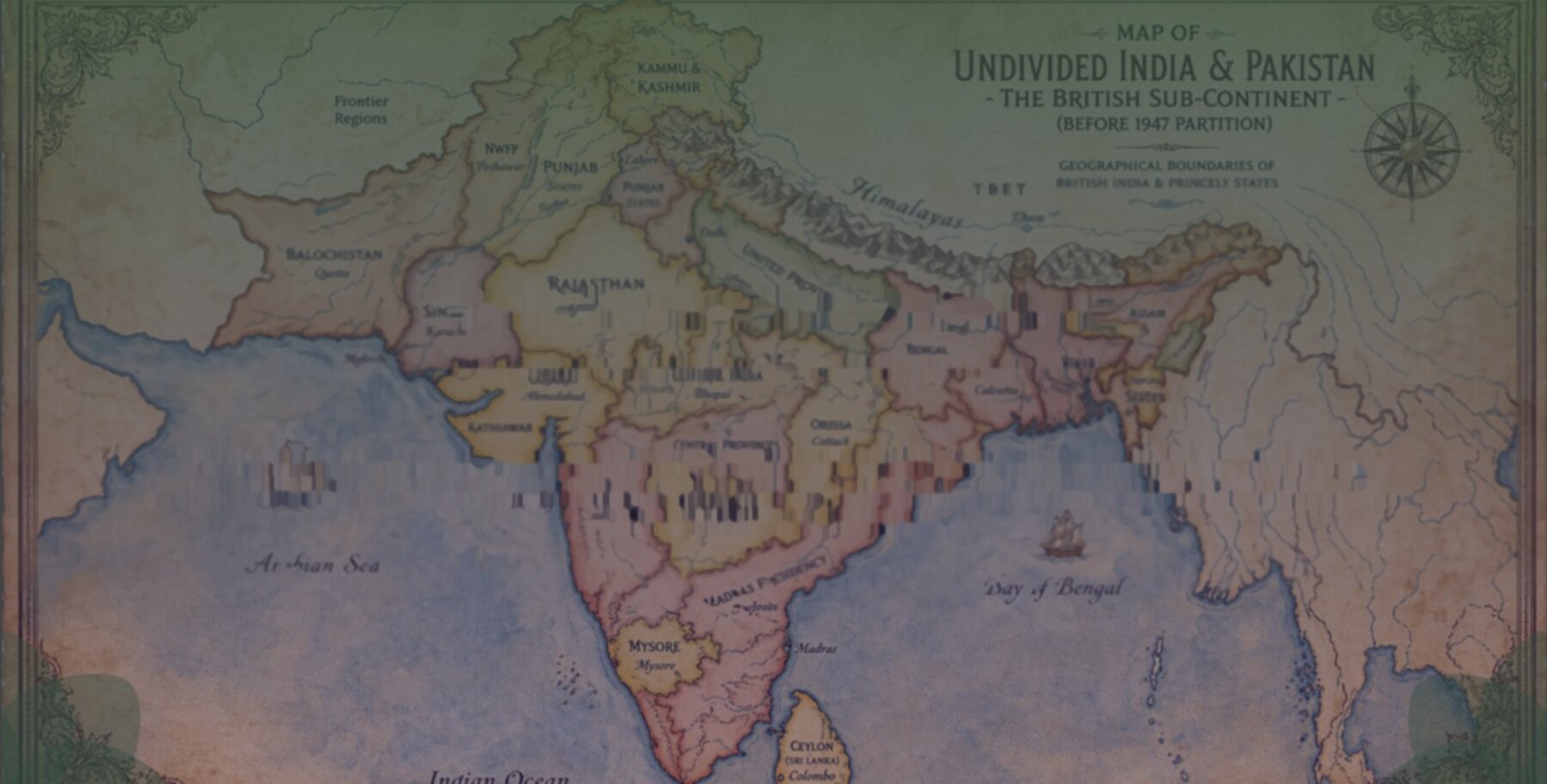
Before lines divided the land, flavour moved freely. From the northern valleys to the southern coasts, from dry inland plains to the fertile east — ingredients, techniques and traditions flowed without restriction. Spices did not belong to regions.
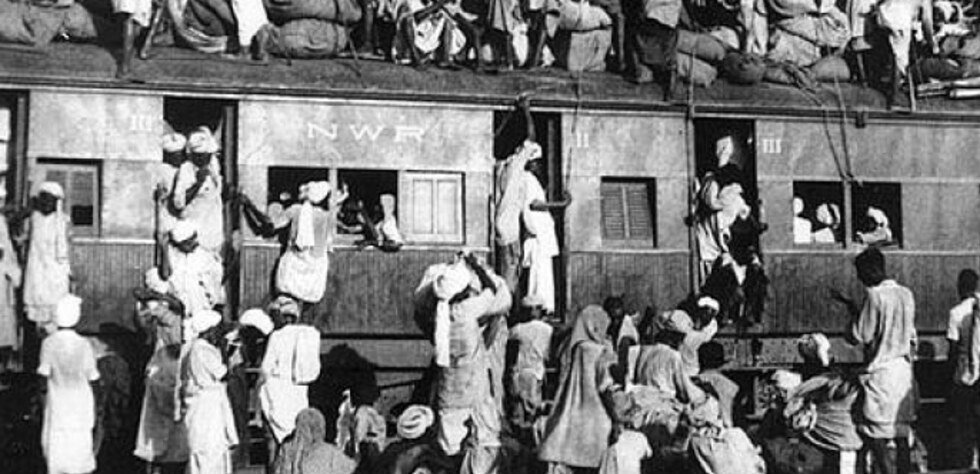
Then came movement. Homes were left behind, but flavours were not. Recipes were no longer tied to place — they were carried in memory. A spice once grown nearby was replaced with what was available. A method learned in one region was adapted in another.
What was lost in distance was rebuilt through instinct.
How it reached here
Everyday cooking, learned by standing next to someone doing it. No written measures, no fixed recipes — just repetition until the hands knew it.
The recipes travelled, and adapted again to what the new markets sold — which is how most of what people now call traditional actually came to be. Houston turned out to have the spice shops, the customers and the appetite for it.
A chaat counter built in front of you, house curries and Indo-Chinese, and a mithai case people plan their week around.
A room built around chaat, the tandoor and an eighteen-sweet mithai counter sold by the box. Opening soon.
Come and eat
Same family, same recipes. Pick whichever is closer.
451 Minonite Rd Ste 190
Rosenberg, TX 77469
Opening date to be announced
14009 Farm to Market 1464, Suite C
Sugar Land, TX 77498
Open 7 days · 10:00 AM – 10:00 PM
What travelled through lands, adapted through time and evolved across generations now comes together — not as history, but as experience. That journey continues with you, in every bite and every shared table.